Advancements in Vacuum Science: The Essential Importance of Electrical Feedthroughs


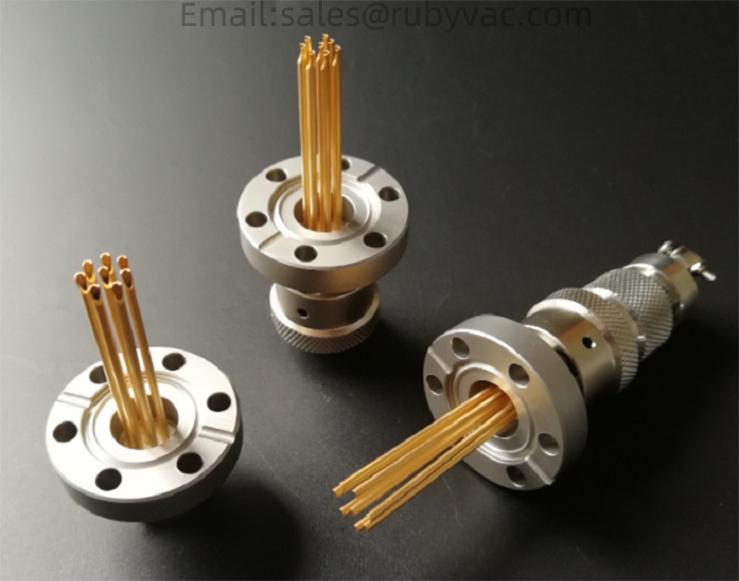
Within the realm of vacuum technology, the ability to uphold a dependable and stable vacuum atmosphere is crucial for various scientific and industrial applications. Central to achieving this consistency are vacuum electrical feedthroughs, that serve as essential components that allow electrical connections to operate between the external environment beyond a vacuum chamber and machinery inside it. These advanced devices enable transmission of signals, power, and data without compromising the integrity of the vacuum, thus becoming indispensable for contemporary experiments and processes.
As industries and research fields continue to demand greater degrees of precision and efficiency, the function of vacuum feedthroughs has become increasingly important. Be it in semiconductor manufacturing, particle accelerators, or space simulation, these devices ensure the necessary electronic controls and monitoring systems operate effectively. This article delves into the intricacies of vacuum electrical feedthroughs, exploring their design, applications, and the innovations that continue to drive advancements in the field of vacuum technology.
Comprehending Electrical Connections
Electronic feedthroughs are vital components used in sealed environments to facilitate the transfer of electrical data or energy while preserving the quality of the sealed barrier. These devices facilitate the attachment of peripheral electric circuits to machinery placed in sealed chambers without detracting from the integrity. Generally composed of insulators and conductive materials, these components are built to tolerate the circumstances of extreme vacuum and can support a range of electrical capacities and types of currents.
The configuration of sealed feedthroughs changes in accordance with their specific use, such as research equipment, manufacturing activities, and semiconductor production. Common materials used include ceramics for insulating and metals for conductive routes. The decision of materials not just ensures optimal electric conductive capability but also contributes to the mechanical stability and thermal resilience required in vacuum conditions. Each connection must be constructed to prevent failures, which could bring in foreign materials and disturb the vacuum.
In contexts where exact readings and regulations are critical, electrical feedthroughs serve a crucial role. They facilitate for the observing and operation of devices such as sensors, microwave transmitters, and additional electronic devices without subjecting them to the environmental factors beyond vacuum space. As tech progresses, improvements in connection architecture carry on to elevate their efficacy, trustworthiness, and flexibility, making them essential in contemporary sealed technology.
Improvements in Vacuum Technology
New developments in vacuum technology have substantially enhanced the efficiency and stability of diverse systems. The creation of novel materials has caused improved performance features in vacuum feedthroughs. Creative ceramic and metal combinations provide enhanced insulation and reduced outgassing, which are vital for upholding the stability of the vacuum environment. These materials provide more robust and longer-lasting electrical connections, essential for precise applications.
Moreover, the miniaturization of components has significantly contributed in the evolution of vacuum electrical feedthroughs. As industries demand miniaturized devices, engineers are developing feedthroughs that occupy smaller space while still offering high performance. This trend allows for increased intricate systems without jeopardizing on reliability. Cutting-edge manufacturing techniques, such as digital design and 3D printing, have allowed the creation of intricate geometries that were not feasible with conventional methods, leading to lighter and optimized feedthrough solutions.
In conclusion, the integration of advanced technology into vacuum systems is a remarkable advancement. The use of smart sensors and electronic monitoring has transformed how vacuum feedthroughs operate. These smart feedthroughs enable real-time data communication, allowing better control over the vacuum environment. This advancement aids in the quick detection of issues and modifications in the system, enhancing total performance and safety. As vacuum technology continues to evolve, these advancements will play a essential role in numerous industries, from chip production to research research.
Utilizations and Impact in Industries
Electrical feedthroughs play a critical role in a range of industrial applications by allowing the transfer of signals, energy, and gases in controlled vacuum settings. In the semiconductor industry, for example, vacuum feedthroughs enable the connection of electronic devices to the carefully managed conditions needed for methods like CVD and ion injection. Their ability to preserve vacuum integrity while providing for connectivity is paramount for the precision and efficiency of assembly lines.
In the field of scientific investigation, especially in accelerator physics and vacuum environments, these devices are essential. They secure that equipment can function efficiently without compromising the vacuum necessary for experiments. The reliability of vacuum feedthroughs directly affects the standard of research outcomes, making them critical for progress in physics, material science, and additional fields.
Moreover, the growing need for vacuum technology in the medical industry has highlighted the value of electrical feedthroughs. In uses like electron beam therapy and vacuum packaging of sterile products, these feedthroughs provide necessary interfaces while preserving sterilized conditions and vacuum conditions. Their innovation not only boosts the performance of healthcare equipment but also increases safety for patients and treatment efficacy, demonstrating the wide effects of vacuum feedthroughs in industries.